


















Hydraulic press Dnepropress P3847 — 5000 ton
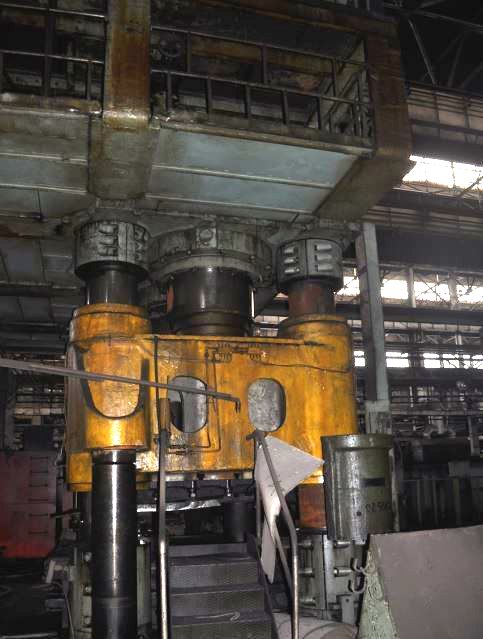
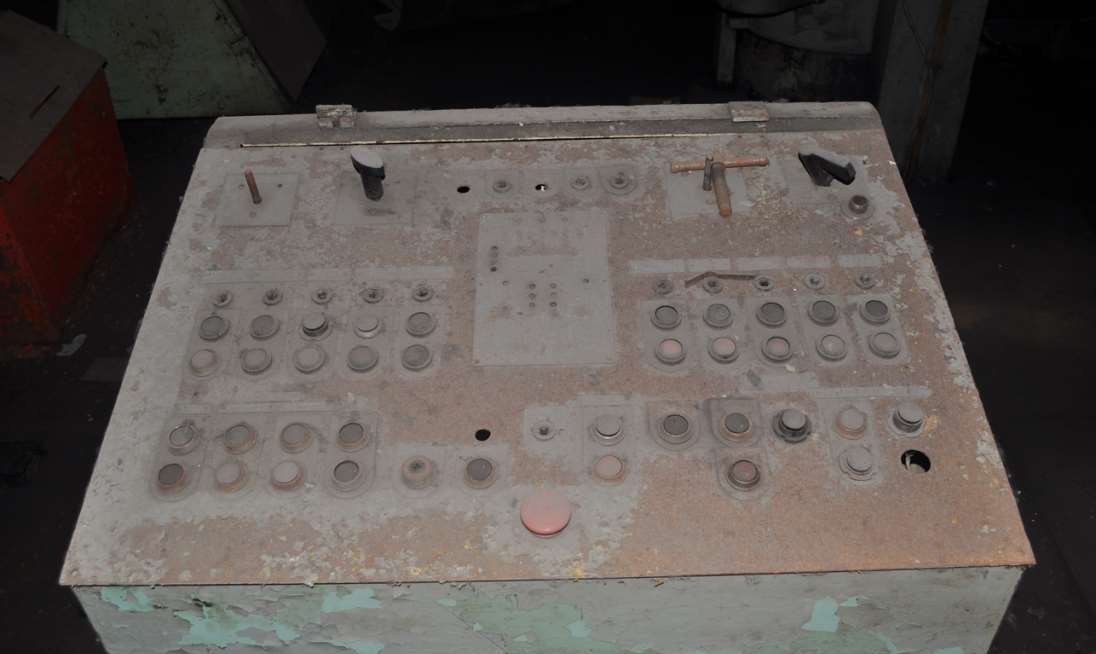
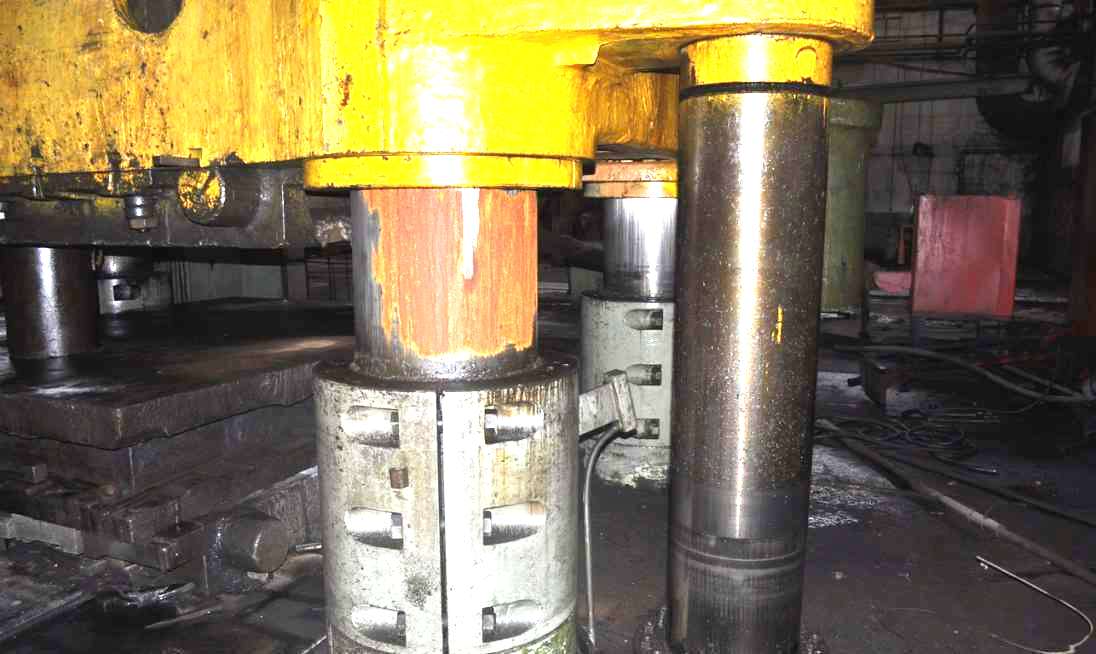
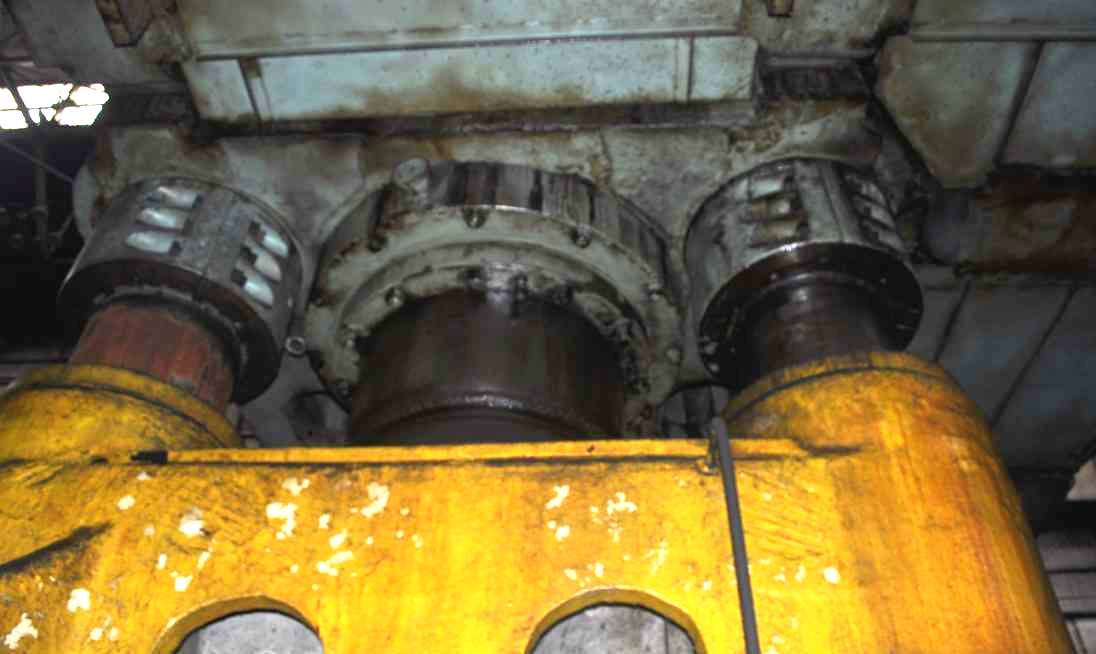
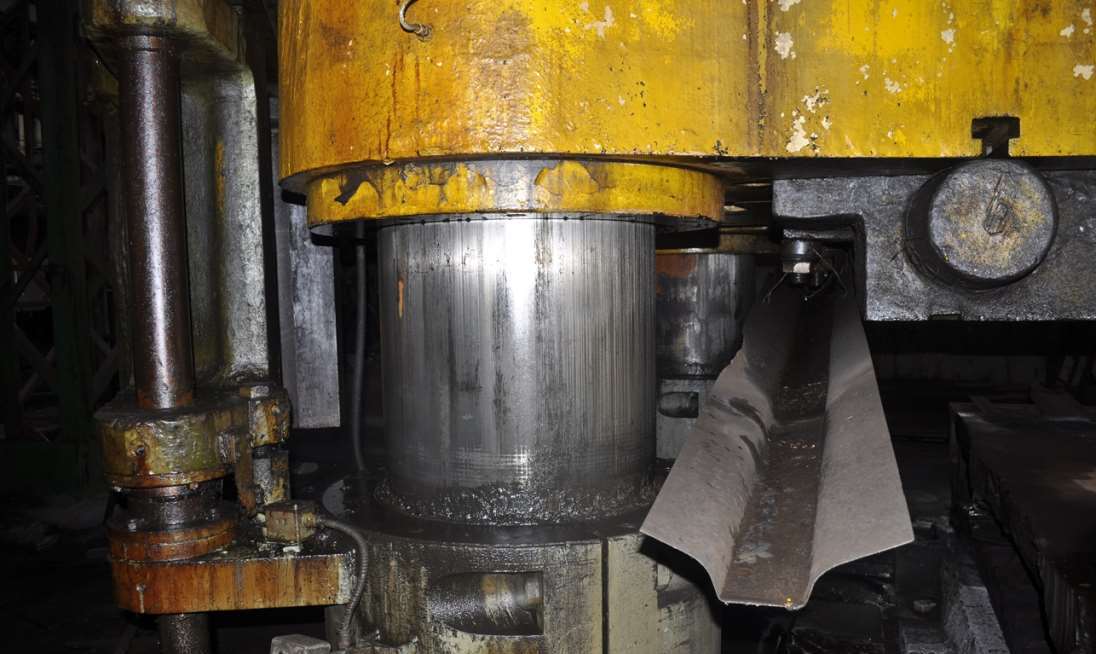
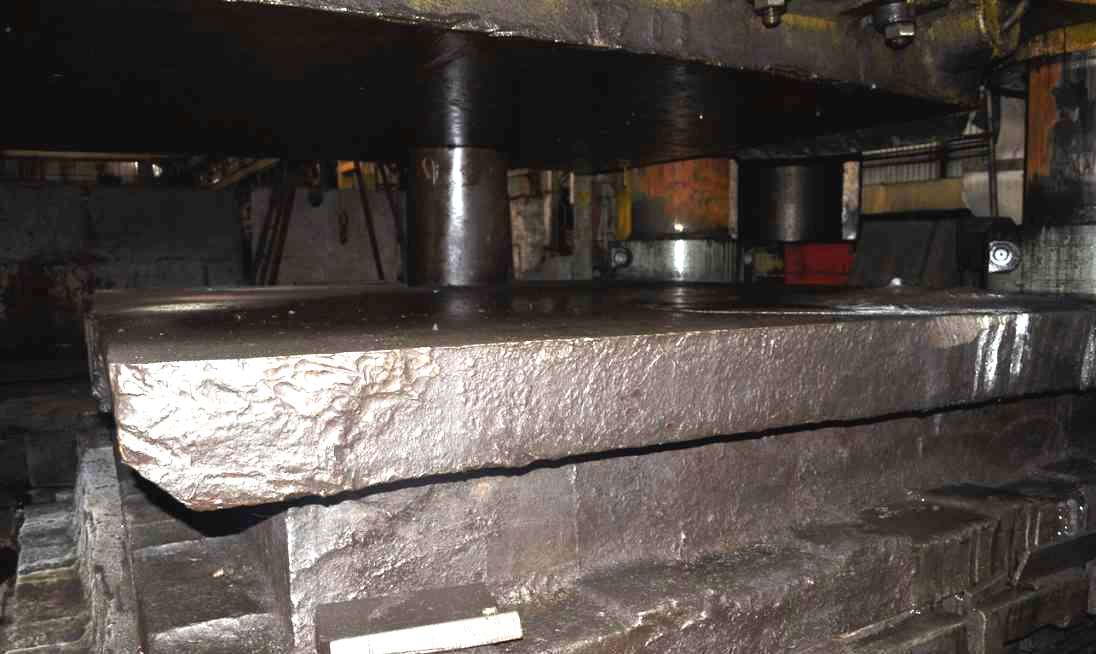
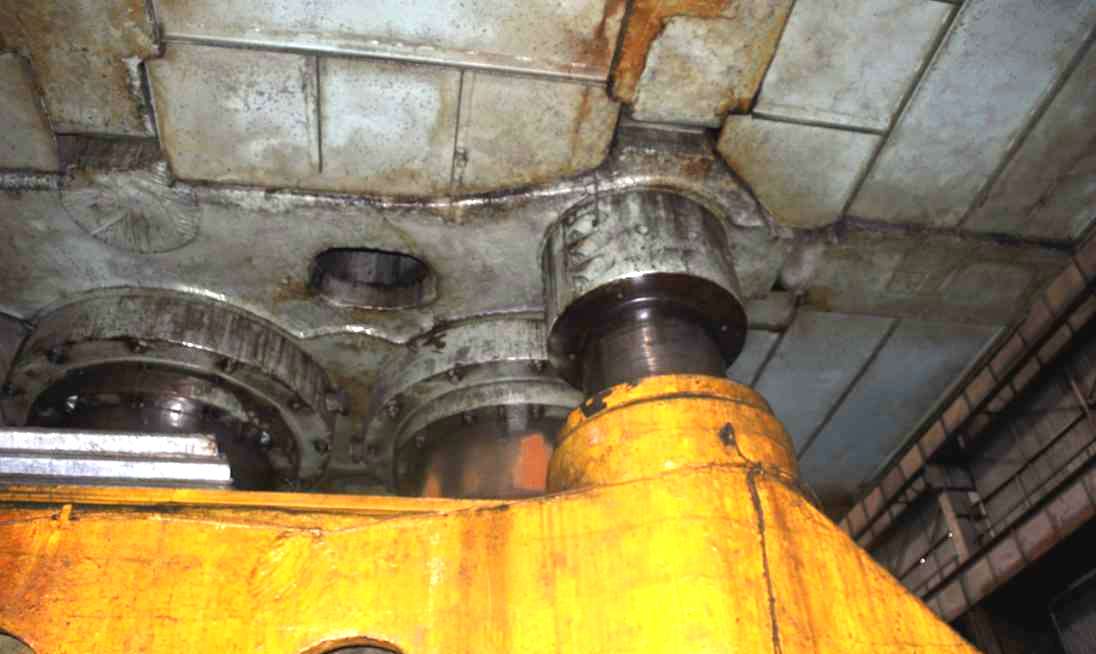
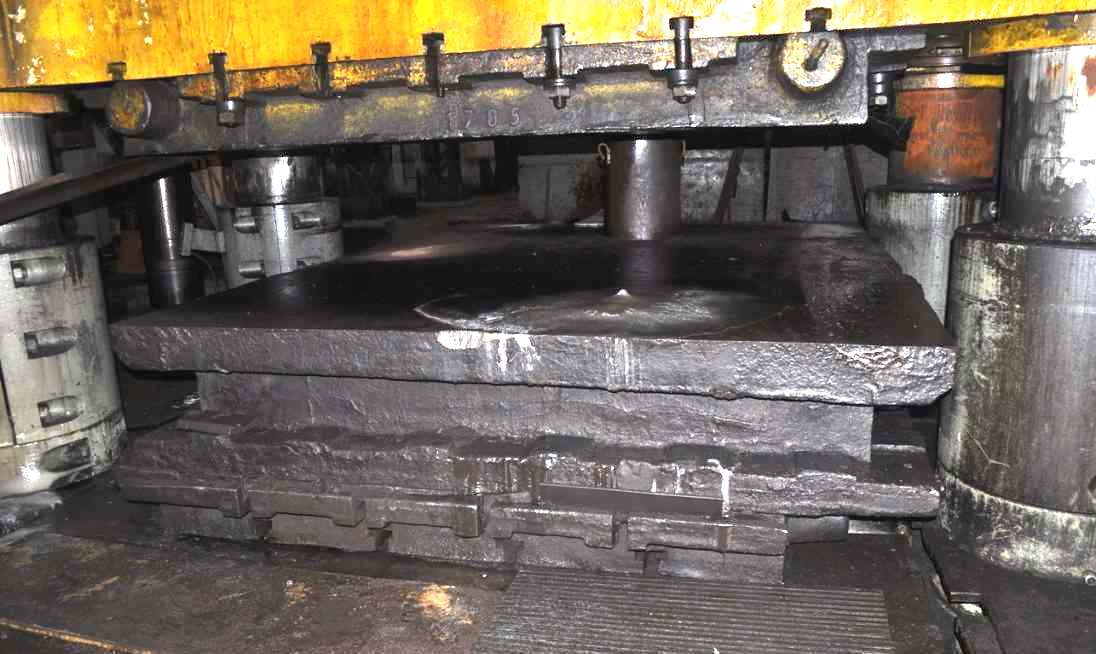
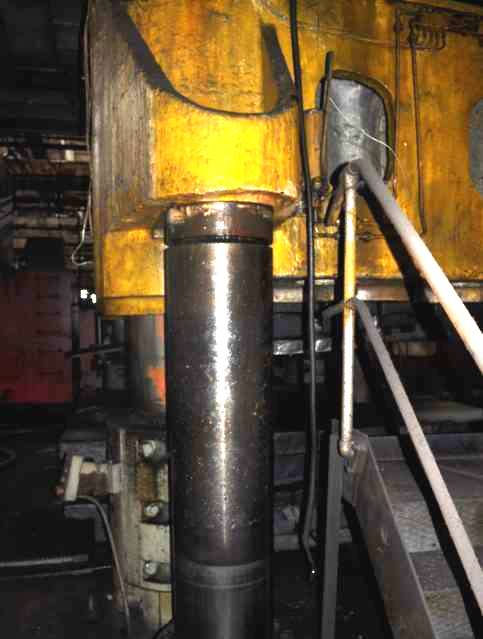
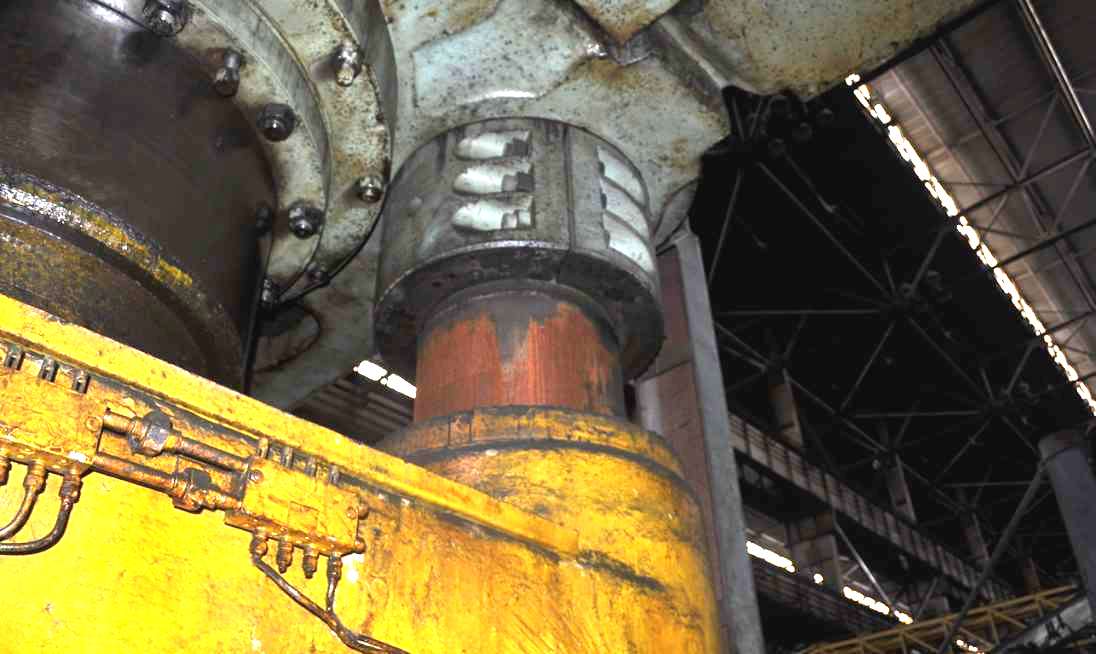
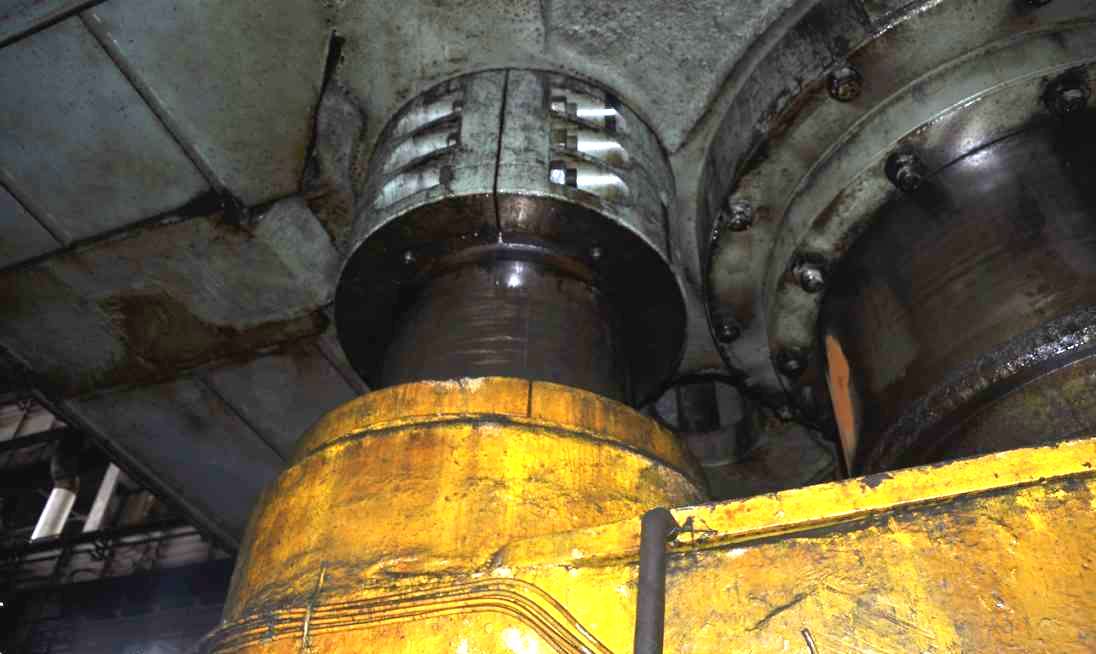
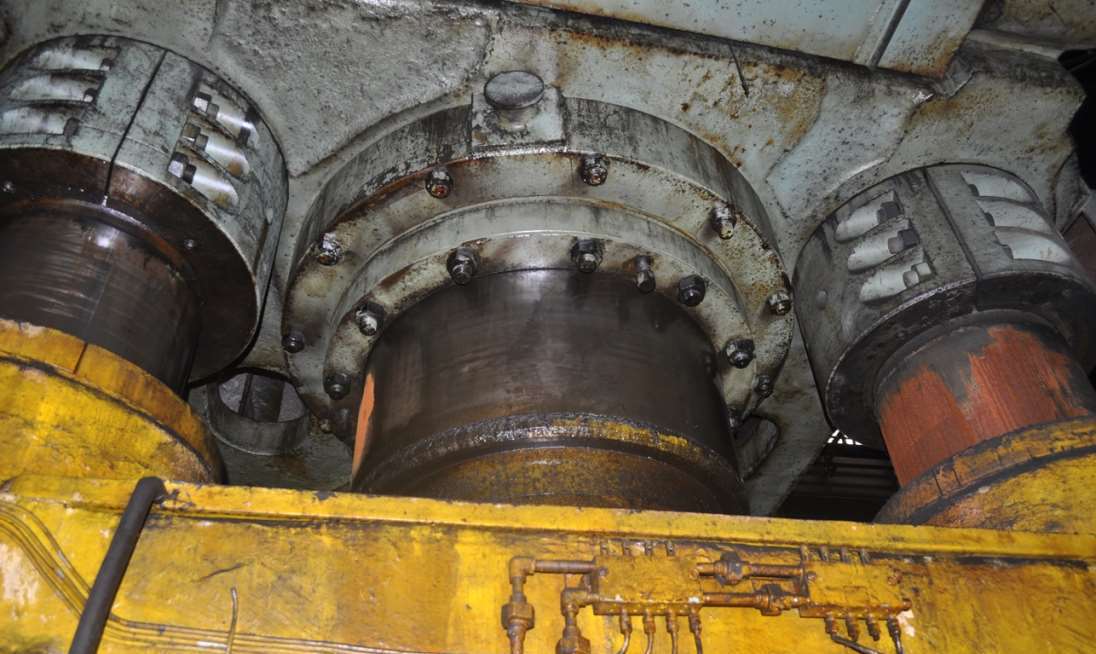
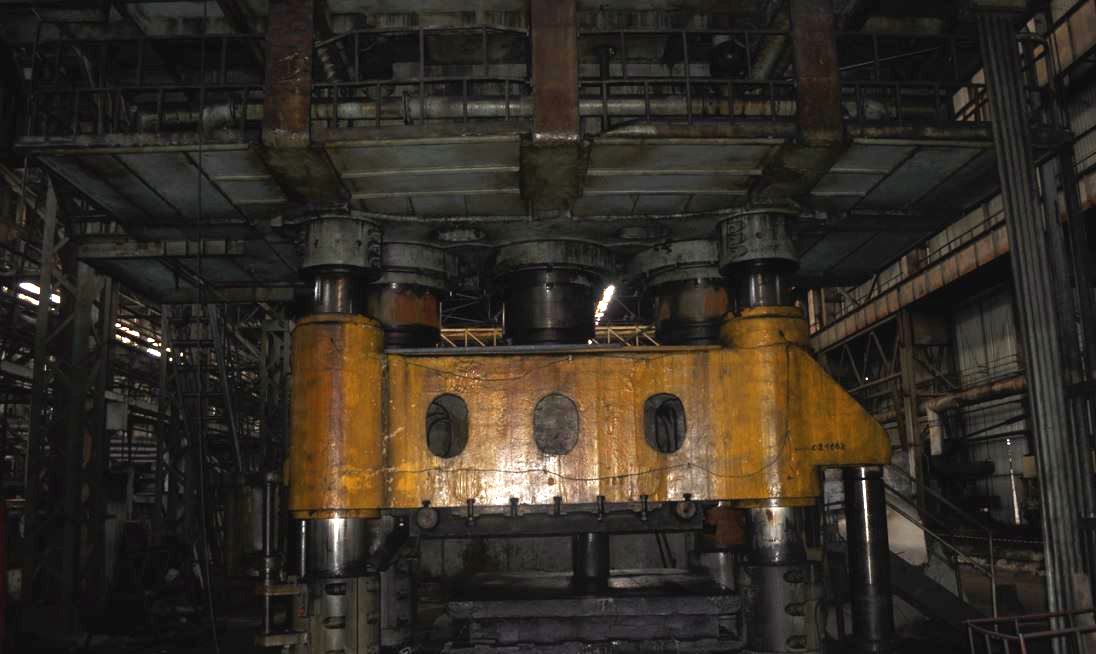
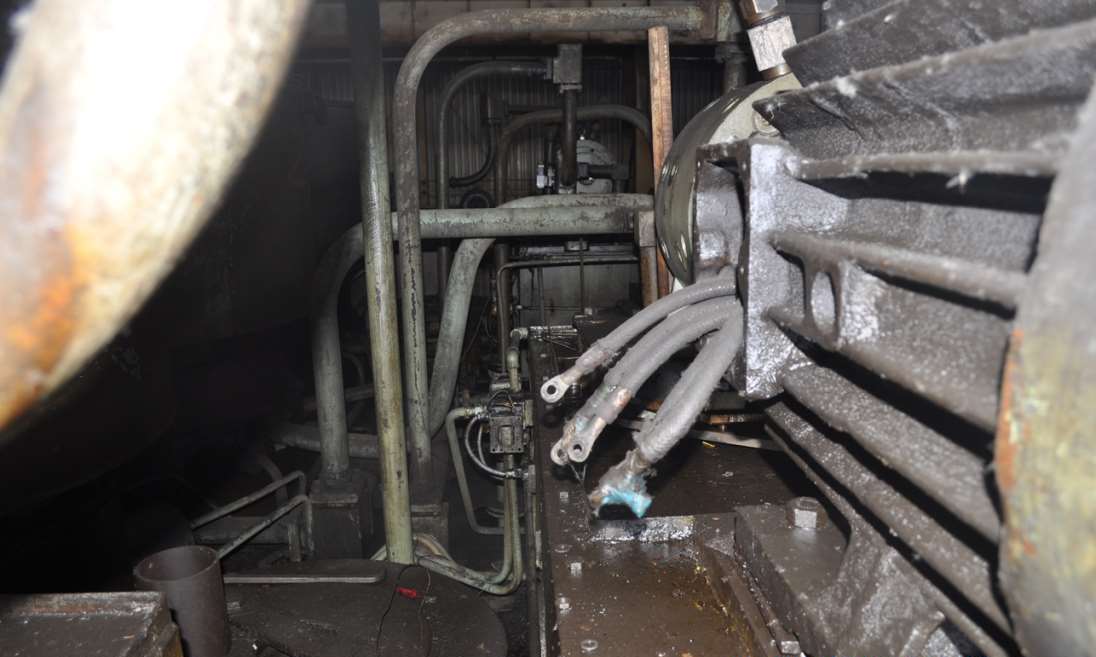
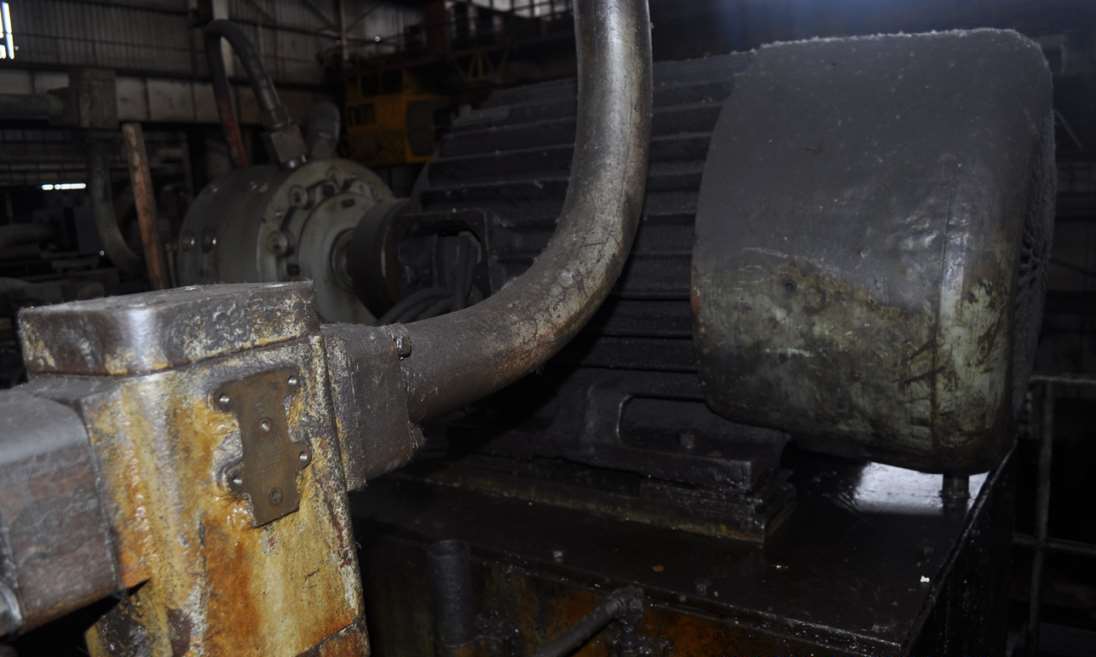
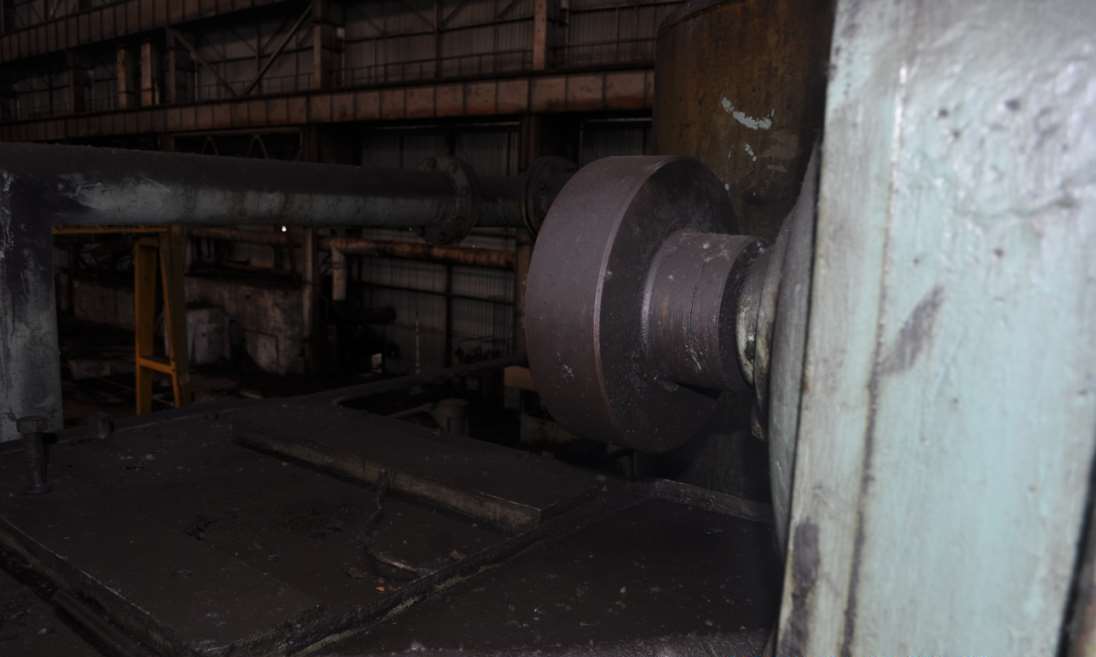
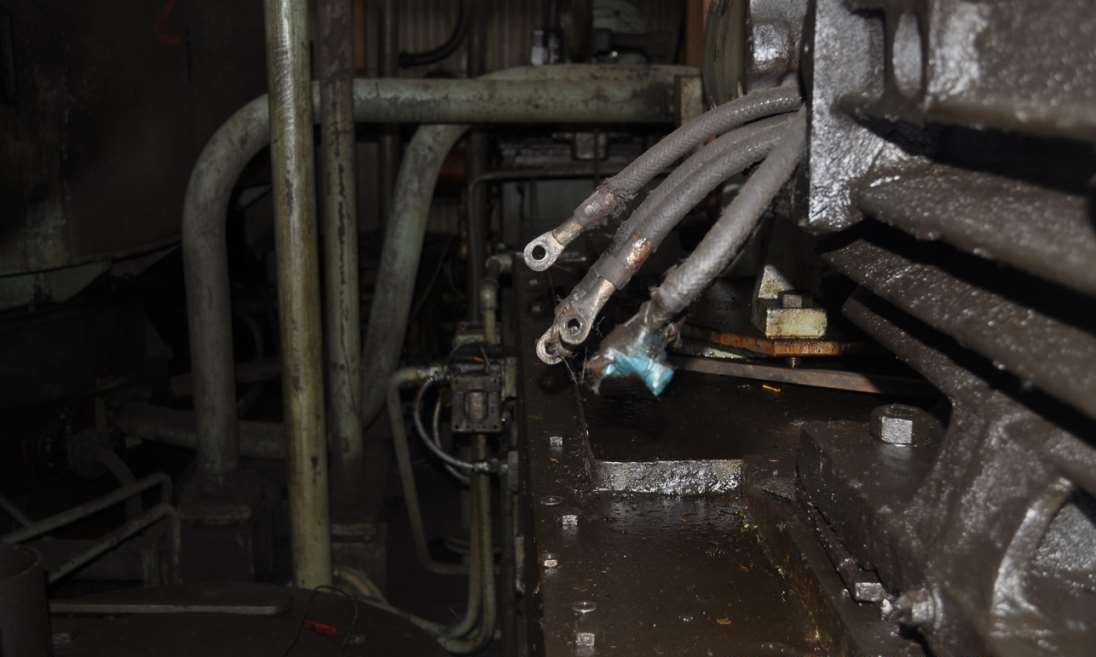
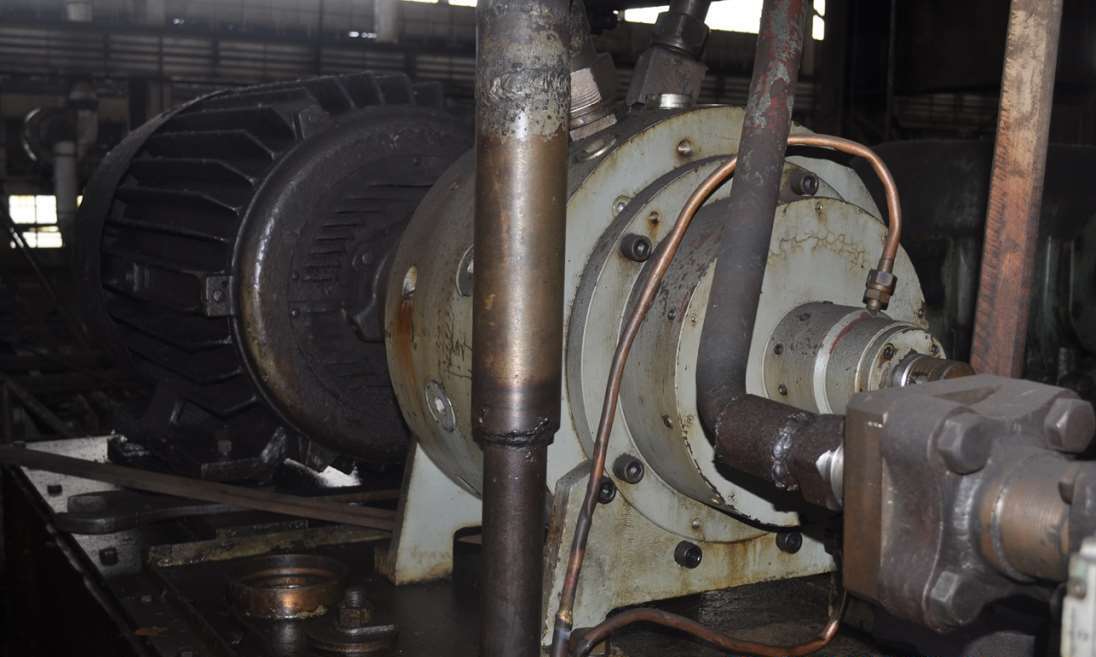
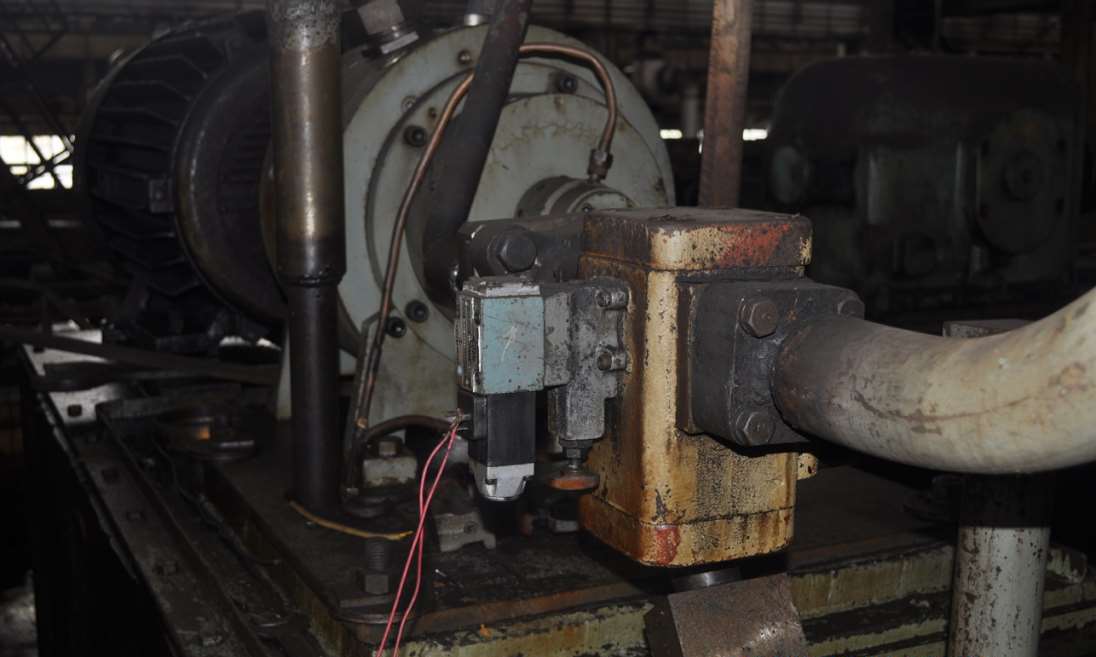
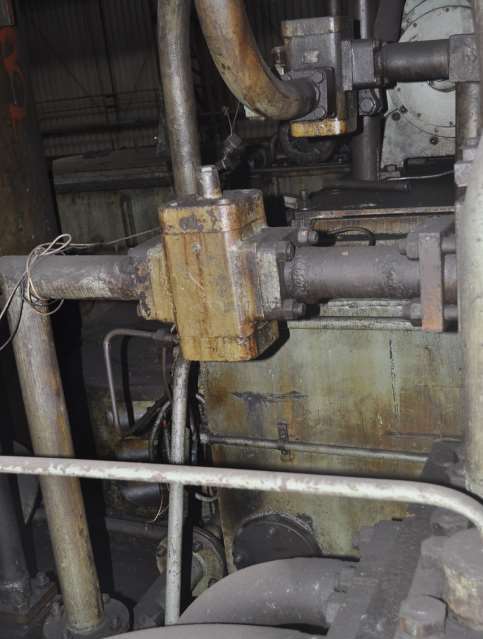
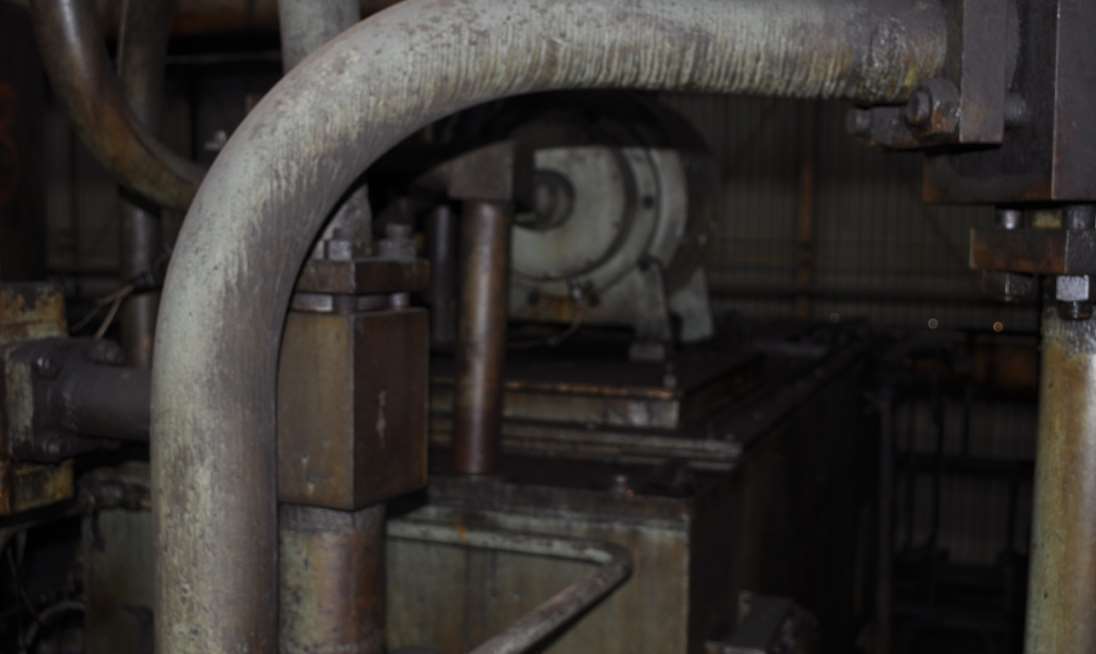
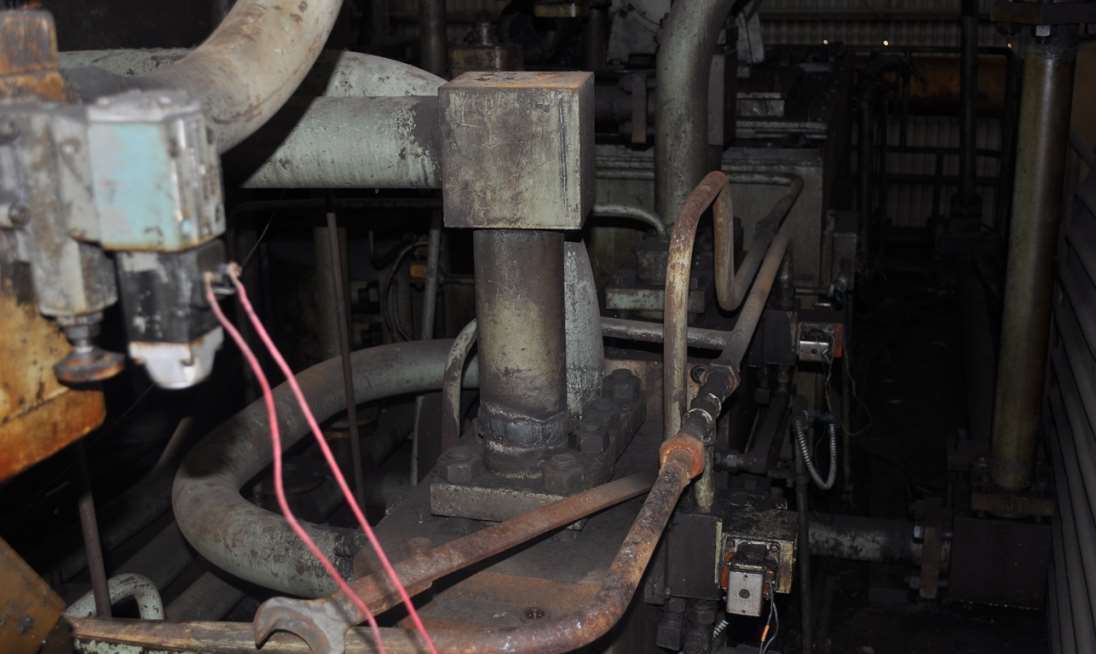
Dnepropress P3847 open die forging press - description
Technical specifications Dnepropress P3847 (ID:S79225)
| Type | Open die forging press |
|---|---|
| Manufacturer | Dnepropress |
| Model | P3847 |
| Nominal force | |
| 1st stage | 16000 kN |
| 2nd stage | 31500 kN |
| 3rd stage | 50000 kN |
| Slide stroke | 1100 mm |
| Slide speed | |
| Idle down stroke | 150 mm/s |
| Working stroke at 1 stage of force | 25,6 mm/s |
| Working stroke at 2 stage of force | 12,8 mm/s |
| Working stroke at 3 stage of force | 8,5 mm/s |
| Return stroke | 100 mm/s |
| Max distance between table and slide (daylinght) | 2300 mm |
| Table dimensions | |
| Left-to-right | 3500 mm |
| Front-to-back | 2800 mm |
| Table stroke | 2850 mm |
| Table speed | |
| Out of press | 270 mm/s |
| Into press | 270 mm/s |
| Max tolerable at 3 stage of force | |
| Left-to-right | 200 mm |
| Front-to-back | 100 mm |
| Nominal pressure of working fluid | 15 MPa |
| Overall press dimensions | |
| Left-to-right | 11600 mm |
| Front-to-back | 16000 mm |
| Height above floor level | 8640 mm |
| Total power of electric motors | 425 kW |
| Press weight | 800 ton |
Open die forging press Dnepropress - technological processes and operations
| Forging | The process of plastic deformation of metal, in which the workpiece changes shape under the impact of blows or static pressure. During forging, the metal structure is densified, internal inhomogeneities are eliminated, and the mechanical properties of the material are improved. As a result, forged products are distinguished by high strength and reliability when operating under significant loads. Forging is used both for producing finished parts and for preparing workpieces for subsequent stamping. |
|---|---|
| Hot forging | Hot forging is a process of shaping metal under pressure at elevated temperatures. Heating reduces the deformation resistance of the material, allowing it to flow more easily into the die cavity. The process provides high productivity and the ability to form complex shapes. Used for manufacturing forgings from steel and alloys in series and mass production. |
| Open-die forging | Metal is deformed between flat or shaped tools without lateral restriction, allowing free flow in all directions. The workpiece is gradually shaped by repeated blows or press strokes, with the operator controlling its position between each step. This method is used for producing large forgings such as shafts, discs, and rings, where a refined internal structure is essential. |
| Preforming | Preforming prepares the workpiece for the main stamping operation by giving it an approximate shape of the future part. The metal is distributed in the die to facilitate final filling and reduce tool wear. This intermediate step improves accuracy and quality of the finished product. |
| Piercing | Piercing forms a hole in a solid workpiece by driving a tool through the material without removing it. The metal is displaced sideways, creating a through or blind opening while preserving the structure around it. The operation is performed on presses and is used in the production of hollow parts such as bushings, rings, and shafts. |