



















Knuckle joint cold extrusion press Barnaul K8240 — 1000 ton

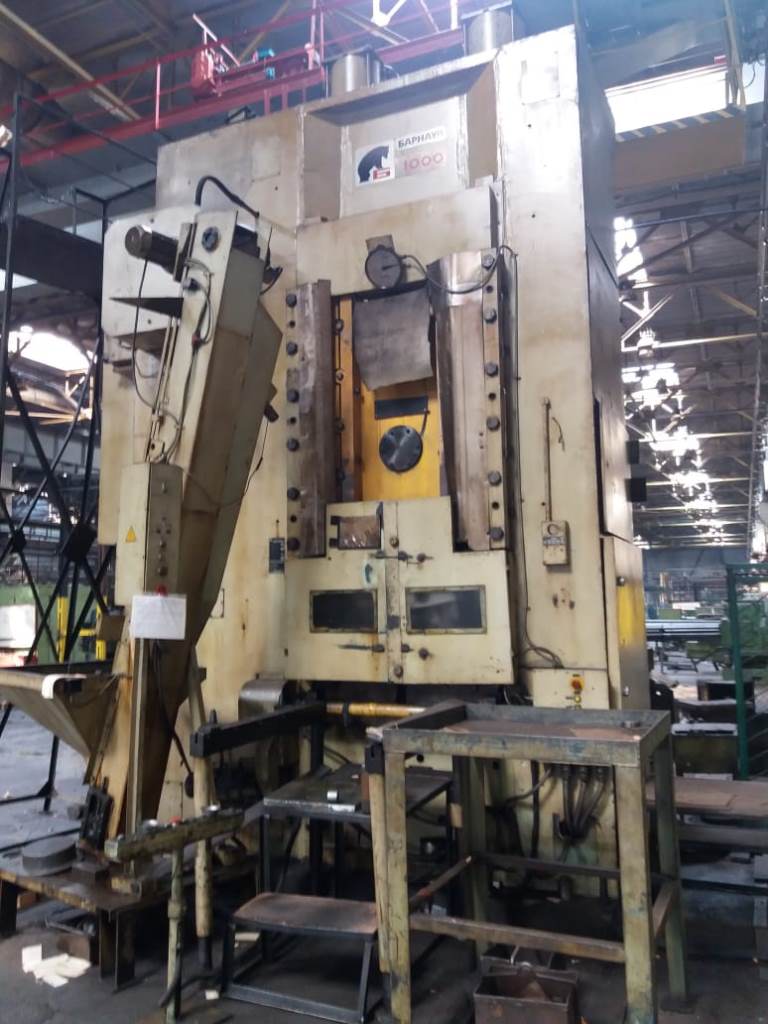
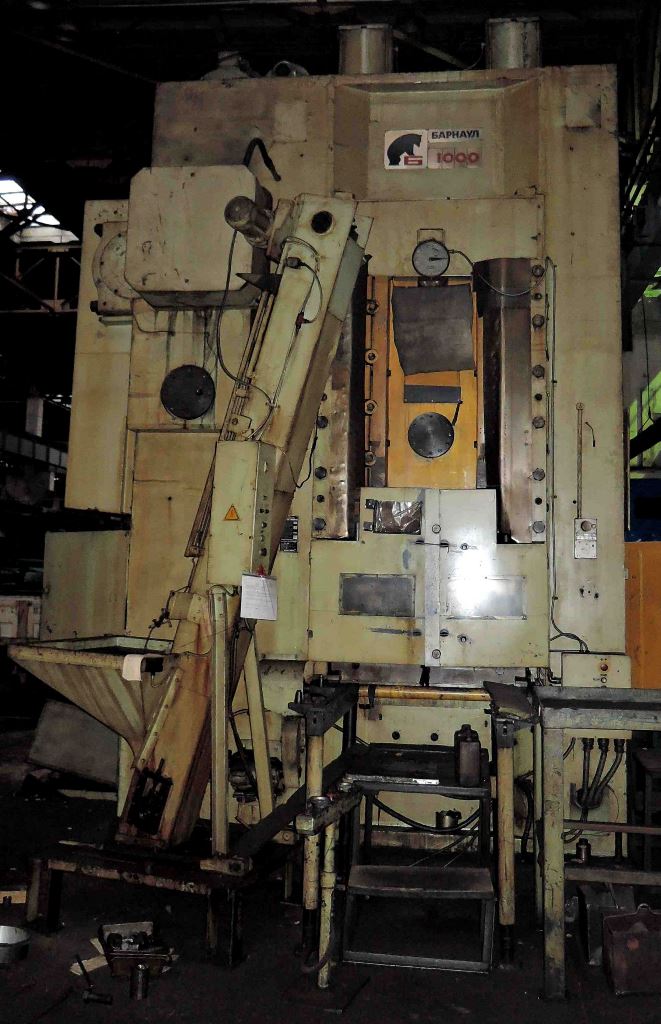
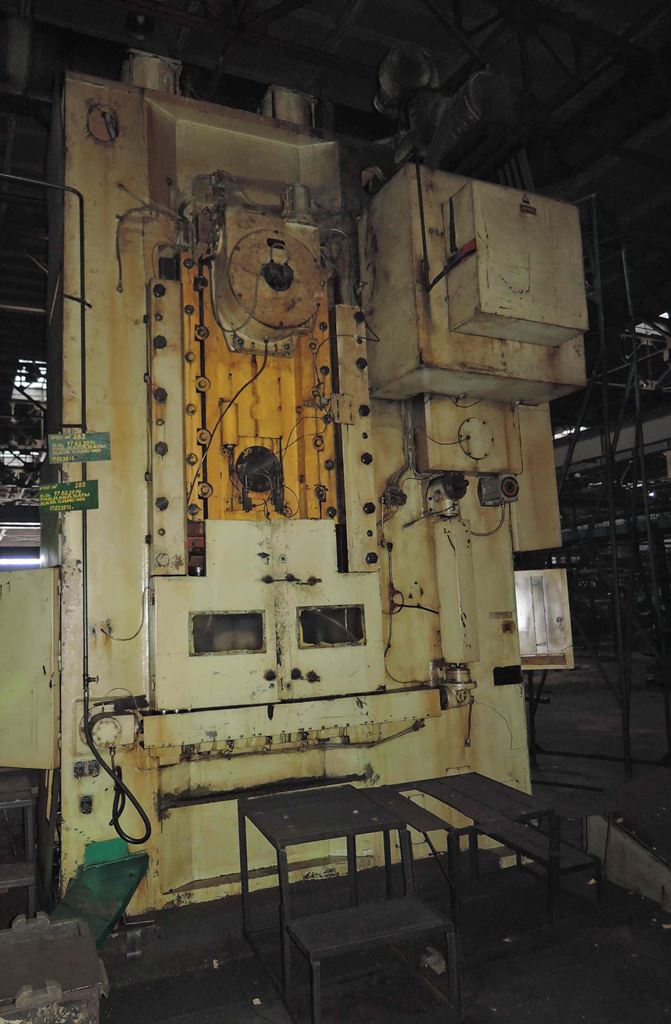
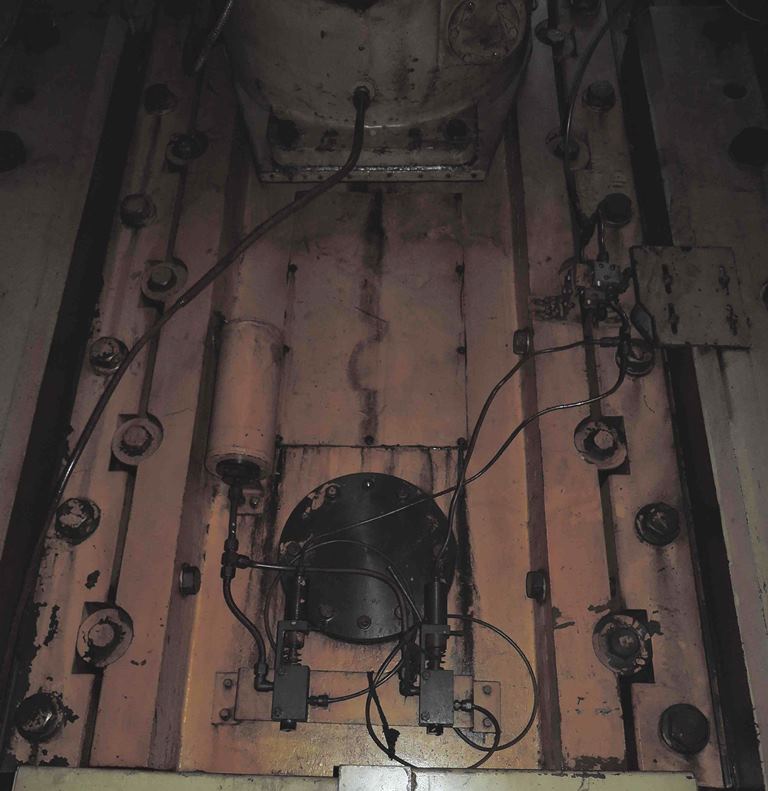
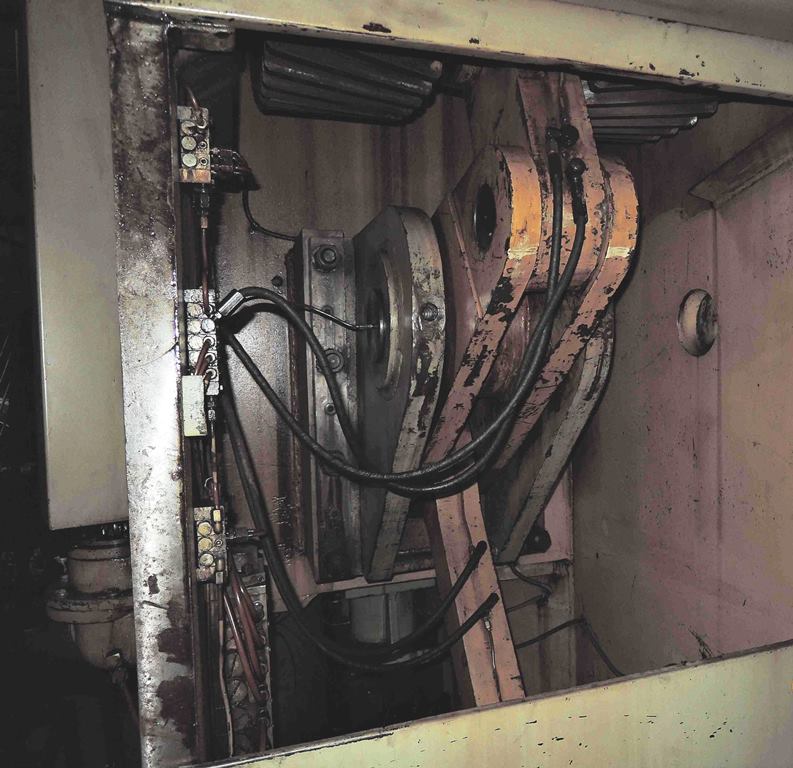
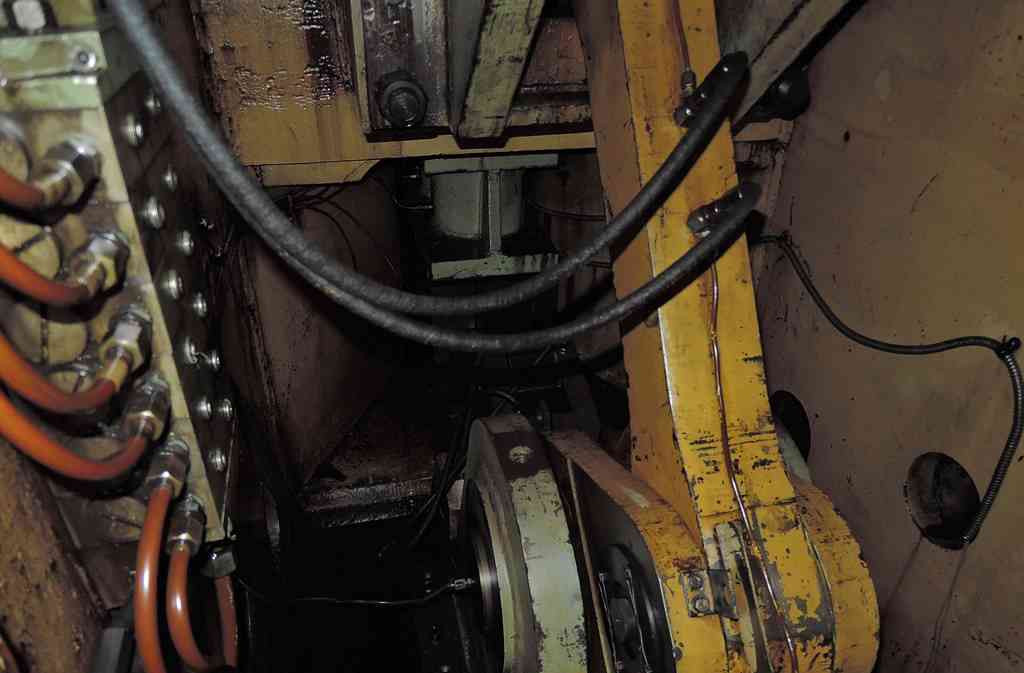
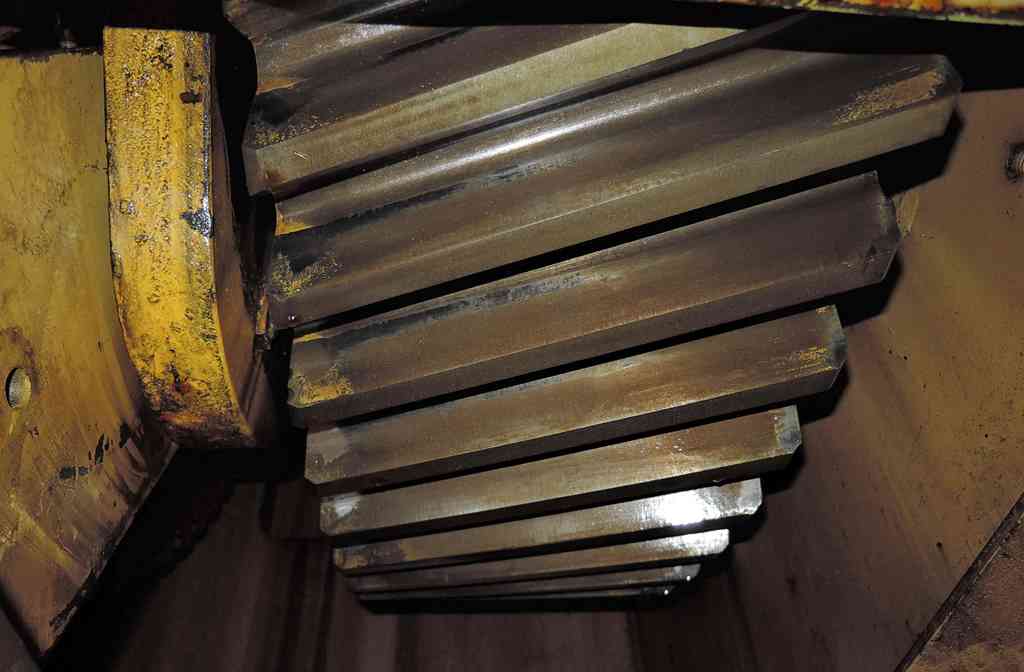
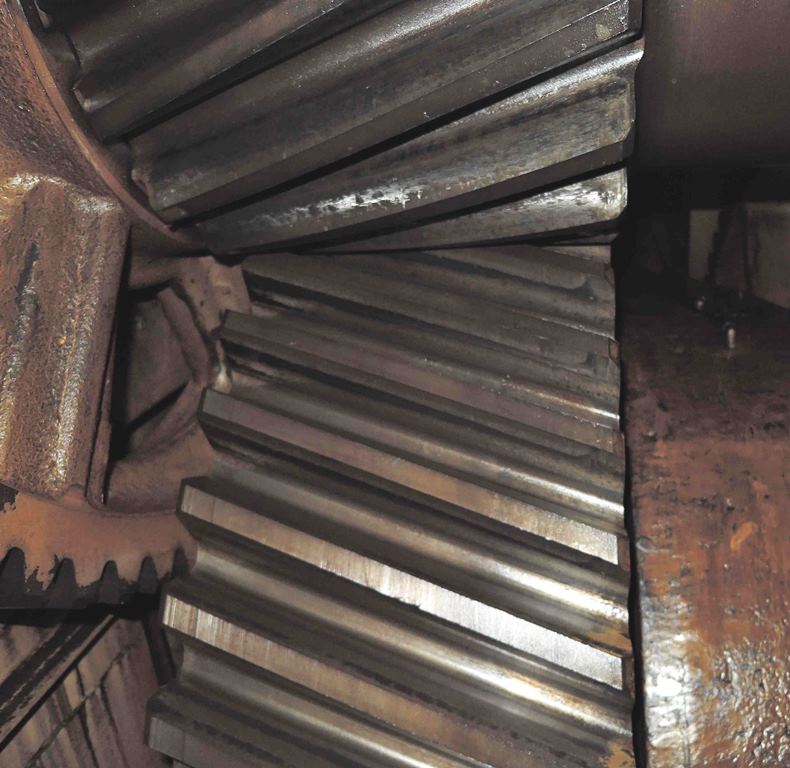
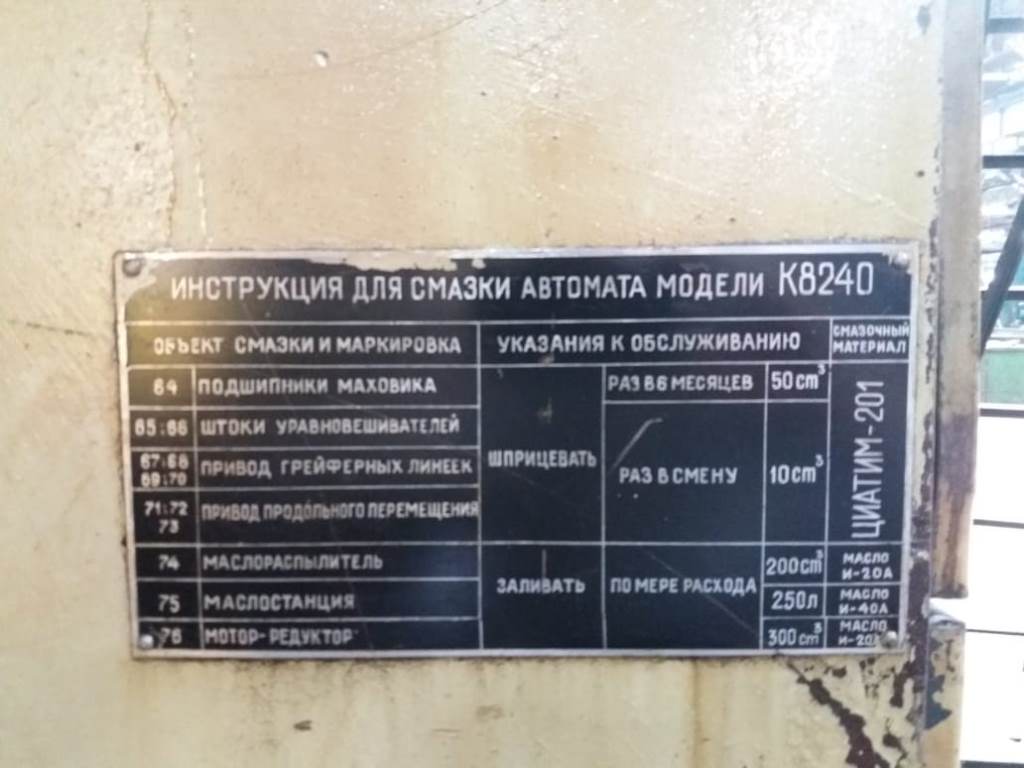
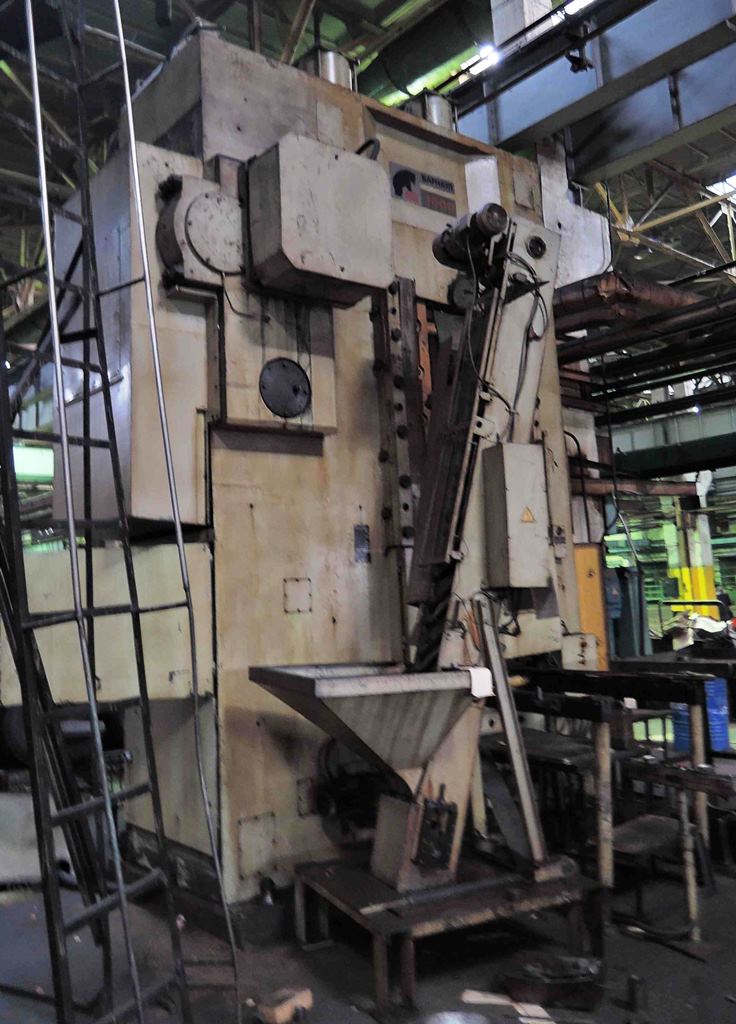
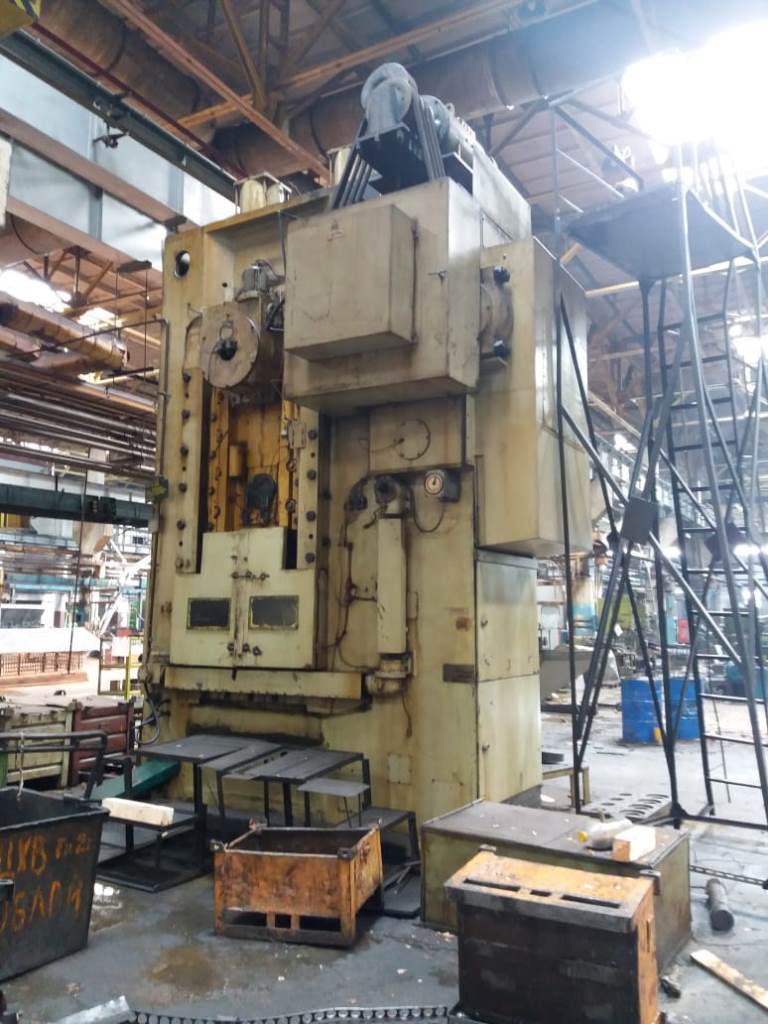
Barnaul K8240 cold forging press - description
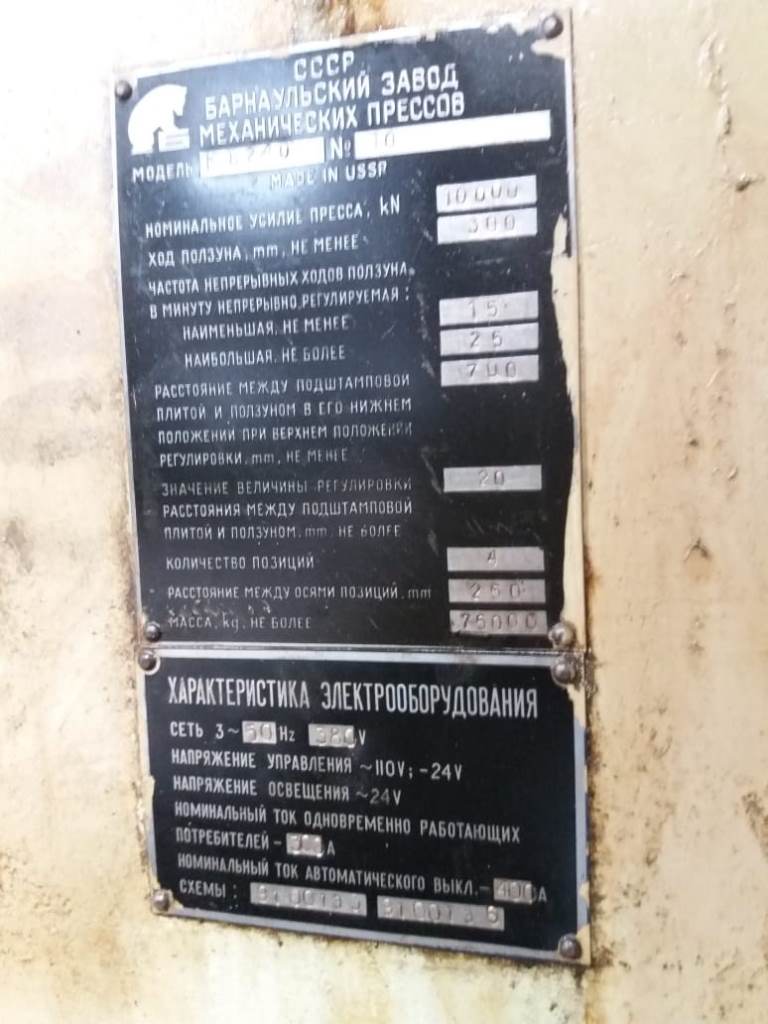
Technical specifications Barnaul K8240 (ID:75745)
| Type | Cold forging press |
|---|---|
| Manufacturer | Barnaul |
| Model | K8240 |
| Made in | Russia |
| YOM | 1990 |
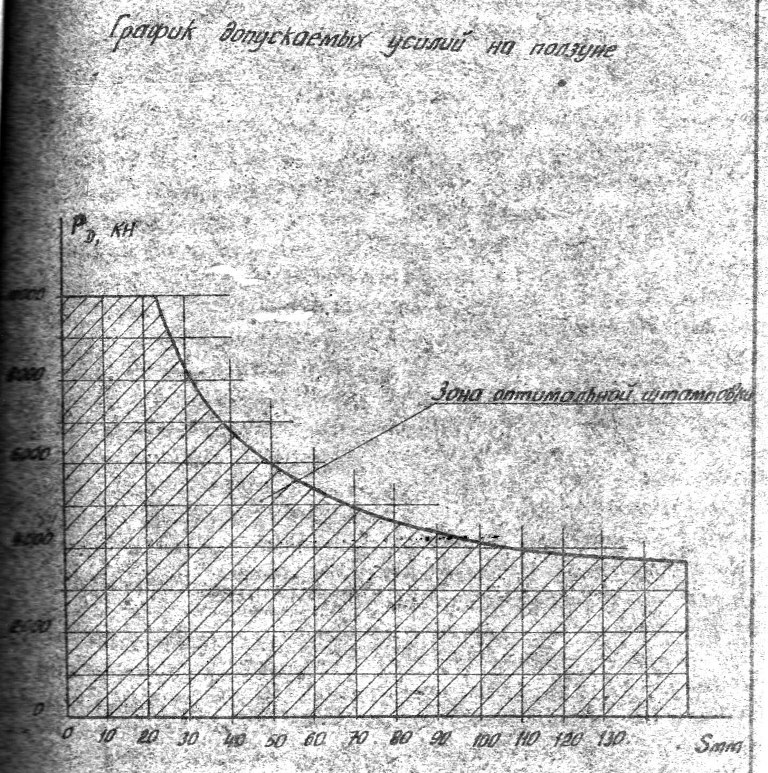
| Nominal force | 10000 kN |
| Ram stroke | 300 mm |
| Ram stroke to lower dead center at nominal force | 20 mm |
| Number of ram strokes per minute | 15-25 |
| Distance between bolster plate and ram in its lower position at upper position of adjustment | 700 mm |
| Distance adjustment between bolster plate and ram | at least 20 mm |
| Table dimensions | |
| From front to back | 1250 mm |
| From left to right | 1250 mm |
| Lower Knockout | |
| Number of positions | 4 |
| Stroke | 120 mm |
| Force | 630 kN |
| Upper Knockout | 4 nos |
| Number of positions | 4 |
| Stroke | 50 mm |
| Force | 160 kN |
| Main drive motor power | 110 kW |
| RPM of motor | 1500 |
| Distance between knockouts | 250 mm |
| Press dimensions | |
| From front to back | 3095 mm |
| From left to right | 3900 mm |
| Height | 5900 mm |
| Weight of the press | 75 tons |
Please note: Specifications are indicative and subject to final confirmation. For current availability and price, as well as photos and technical details, please contact us.
Cold forging press Barnaul - technological processes and operations
| Forging | The process of plastic deformation of metal, in which the workpiece changes shape under the impact of blows or static pressure. During forging, the metal structure is densified, internal inhomogeneities are eliminated, and the mechanical properties of the material are improved. As a result, forged products are distinguished by high strength and reliability when operating under significant loads. Forging is used both for producing finished parts and for preparing workpieces for subsequent stamping. |
|---|---|
| Closed-die forging | The workpiece is deformed inside a die cavity that restricts metal flow, forcing it to fill the exact shape of the tool. Under high pressure, the material spreads into every recess and detail of the die, producing a part with precise geometry. This method provides high accuracy and repeatability, making it the standard for series and mass production of complex forgings. |
| Preforming | Preforming prepares the workpiece for the main stamping operation by giving it an approximate shape of the future part. The metal is distributed in the die to facilitate final filling and reduce tool wear. This intermediate step improves accuracy and quality of the finished product. |
| Coining | Under enormous pressure, the die is pressed into the workpiece, forcing the metal to distribute into the smallest recesses of the tool. As a result, clear reliefs, inscriptions, or patterns are formed on the surface with high accuracy. The metal fills all details of the die, fully reproducing its geometry. Used in the production of coins, medals, and precision parts where relief clarity and dimensional accuracy are essential. |
| Calibrating | A finishing operation that brings the forging to precise dimensions. The workpiece is placed in a calibration die, where under pressure its surface is leveled and the geometry is brought to the specified tolerances. This process eliminates minor shape distortions left after previous operations. As a result, the part receives stable dimensions and a smooth surface without additional machining. |
| Extrusion | Shaping is achieved by forcing metal through the opening of a die (stamp), as a result of which the workpiece acquires the specified cross-section along its entire length. The process ensures high geometric accuracy and surface quality of the resulting products. |
| Punching | A hole in a solid workpiece is a task handled by bulk punching. The metal is not drilled out but pushed through: the punch penetrates the workpiece, displacing material sideways and forming a through or blind hole. The operation is performed on presses, keeping the metal structure around the hole intact. Used in the production of bushings, rings, and hollow shafts. |