


















Forging roll TMP Voronezh CA1335
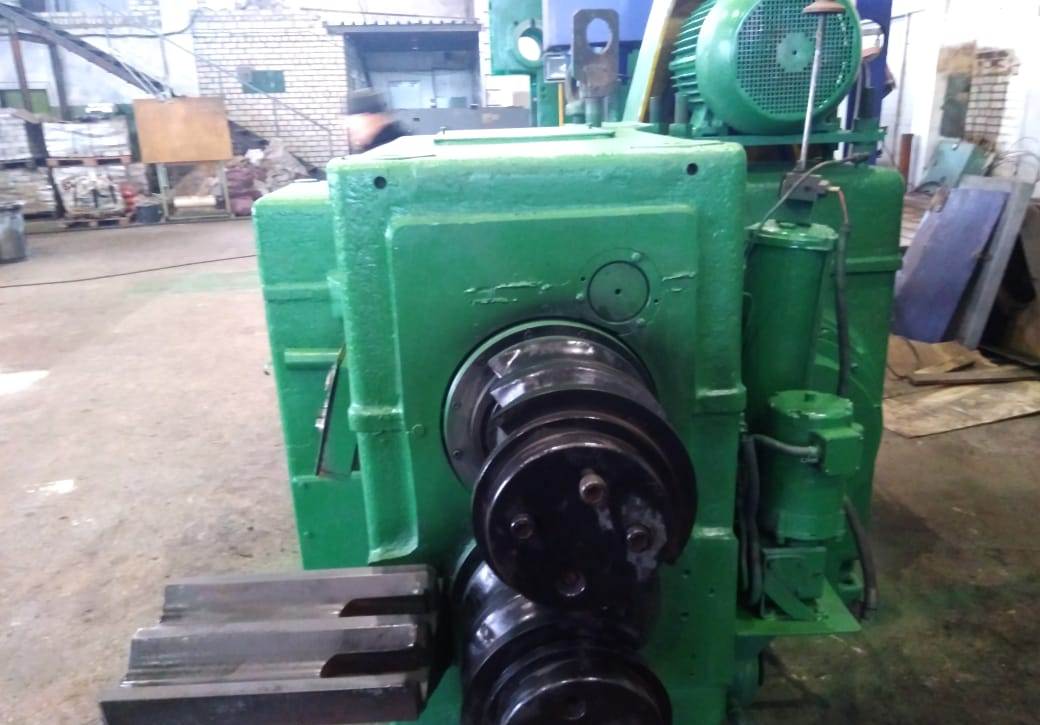
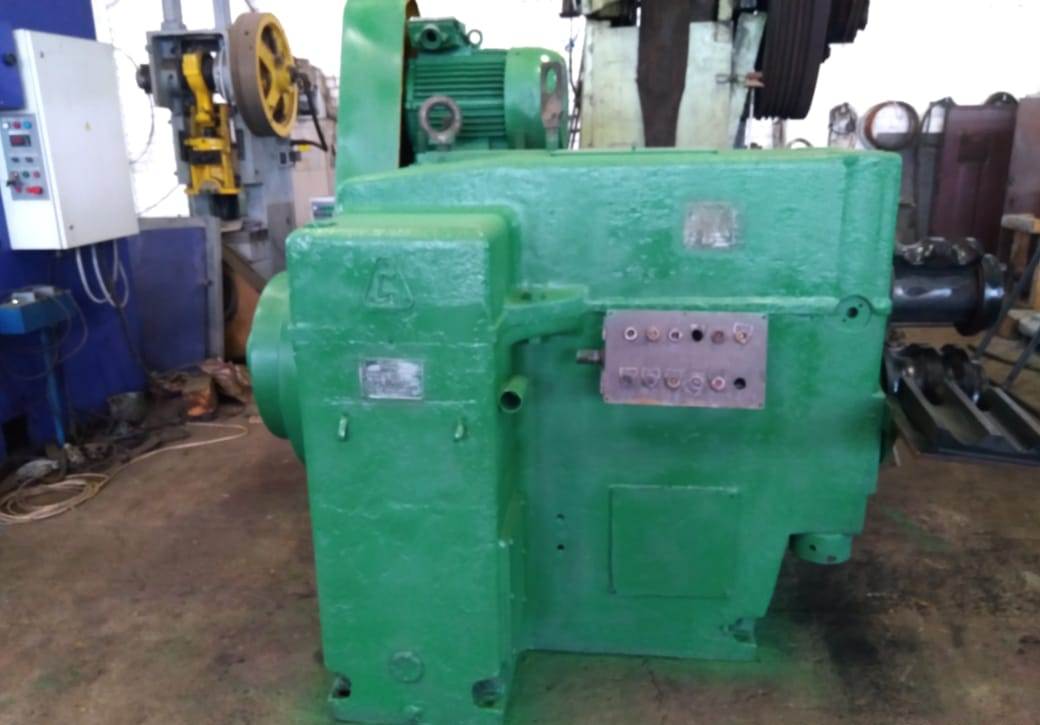
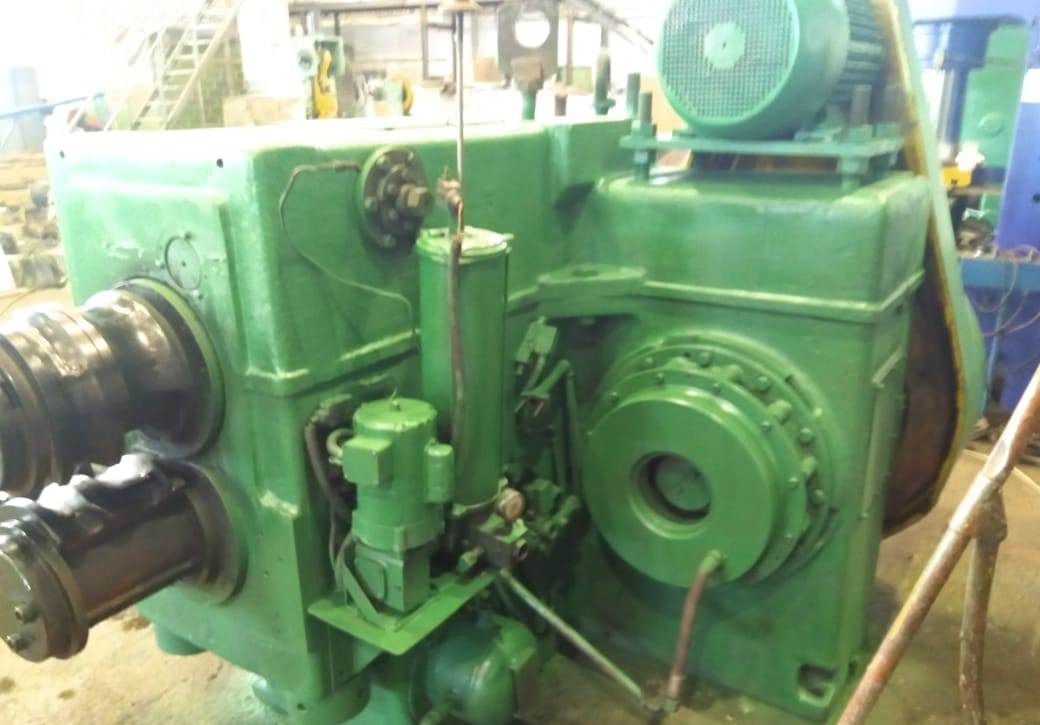
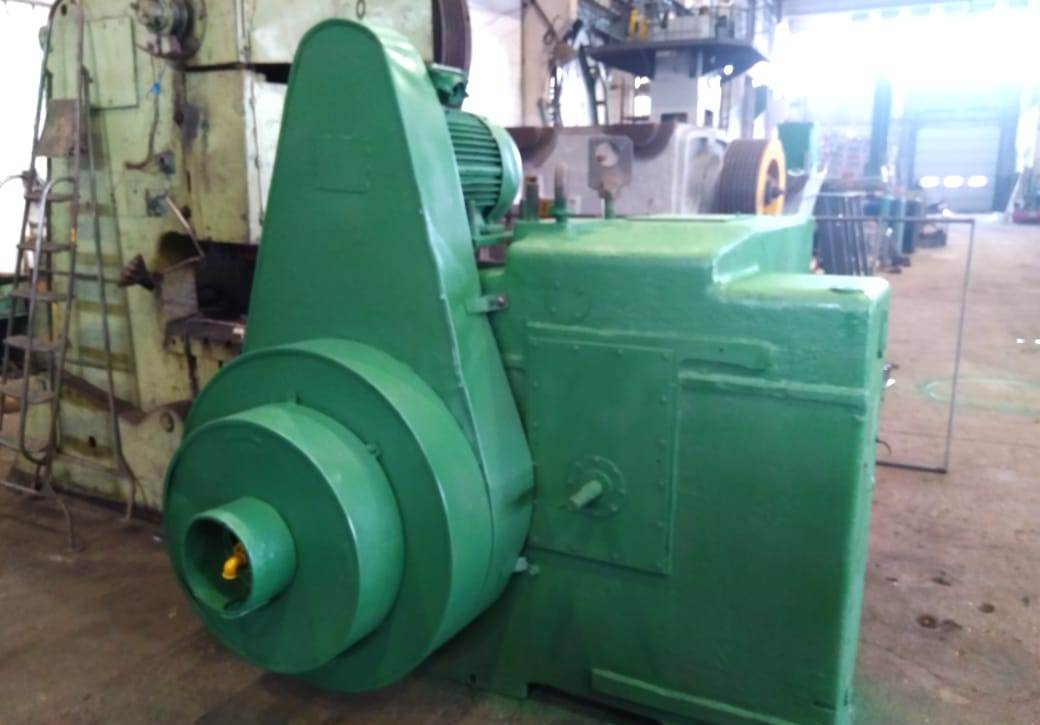
TMP Voronezh CA1335 forging rolls - description
Technical specifications TMP Voronezh CA1335 (ID:75552)
| Type | Forging rolls |
|---|---|
| Manufacturer | TMP Voronezh |
| Model | CA1335 |
| Nominal distance between axis | 320 mm |
| Nominal power | 800 kN |
| Size of cutting under tool, diameter | 180 mm |
| Length | 280 mm |
| Frequency of cutting gyration | 1-65 min |
| Adjustment Size between axis | +3 mm |
| Diameter of starting billet | 95 |
| Capacity of main drive | 31,5 kW |
| Dimension | |
| Length | 2590 mm |
| Width | 1930 mm |
| Height | 2130 mm |
| Machine weight | 8800 kg |
Please note: Specifications are indicative and subject to final confirmation. For current availability and price, as well as photos and technical details, please contact us.
Forging rolls TMP Voronezh - technological processes and operations
| Forging | The process of plastic deformation of metal, in which the workpiece changes shape under the impact of blows or static pressure. During forging, the metal structure is densified, internal inhomogeneities are eliminated, and the mechanical properties of the material are improved. As a result, forged products are distinguished by high strength and reliability when operating under significant loads. Forging is used both for producing finished parts and for preparing workpieces for subsequent stamping. |
|---|---|
| Preforming | Preforming prepares the workpiece for the main stamping operation by giving it an approximate shape of the future part. The metal is distributed in the die to facilitate final filling and reduce tool wear. This intermediate step improves accuracy and quality of the finished product. |
| Roll forging | The workpiece is passed between two rolls with profiled grooves (dies), and under their pressure the metal flows, changing its cross-section and length. Each pass through the rolls gradually brings the workpiece closer to the desired shape — this is how shaped forgings are prepared for subsequent stamping. The method is characterized by high productivity and minimal material loss, making it cost-effective in series production. |